
online marketing has become the backbone of modern business growth. Whether you run a small local shop or a global enterprise, your online presence plays a major role in how customers discover, evaluate and choose your brand. As consumer habits shift and new platforms emerge, understanding online marketing is no longer optional. It is essential.
This in-depth guide walks you through everything you need to know about online marketing in 2025. You’ll learn about core strategies, emerging trends, effective tools and actionable steps you can use to improve your brand visibility, drive traffic and convert more leads.
Table of Contents
What Is online Marketing?
online marketing refers to promoting products or services using digital channels such as search engines, social media, email, websites and mobile apps. Unlike traditional marketing, it offers detailed tracking, real-time optimization and the ability to target specific audiences with precision.
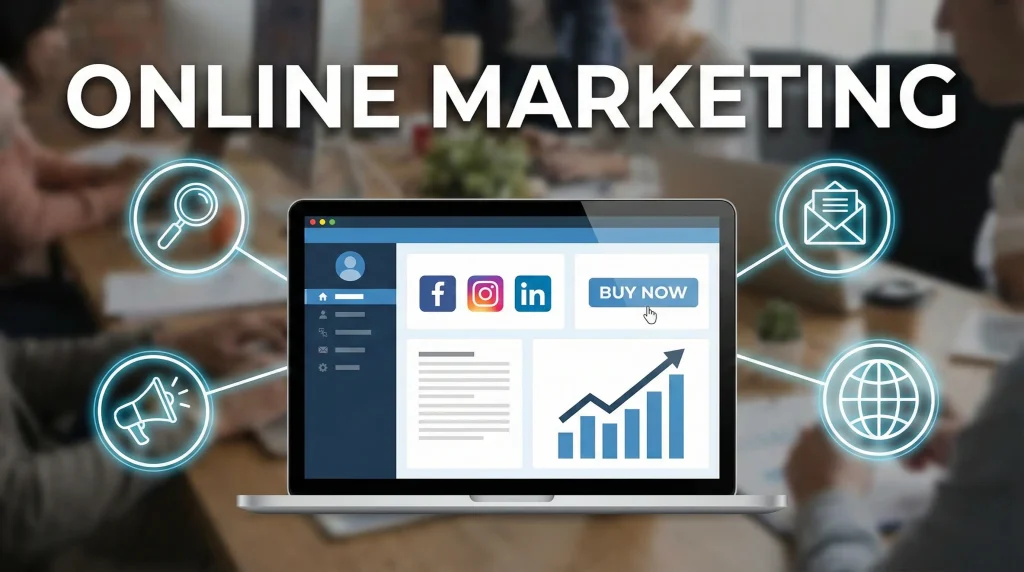
online marketing covers a wide range of activities, including:
- Search engine optimization (SEO)
- Content marketing
- Social media marketing
- Email marketing
- Paid advertising (PPC)
- Influencer partnerships
- Analytics and data tracking
- Conversion rate optimization
By combining these tactics, businesses can build a strong digital footprint and reach customers across multiple touchpoints.
Why online Marketing Matters Today
The way people shop and consume information has changed dramatically. Most customers now start their buyer journey online, even if they plan to make an offline purchase. Here are the main reasons online marketing is essential in 2025.
Your Customers Are Online
People browse, research and buy online daily. Being visible on platforms they use is crucial.
Lower Cost Compared to Traditional Marketing
online marketing campaigns are often more affordable than TV, radio and print advertising.
Advanced Targeting
You can target users based on interests, behavior, demographics and intent.
Measurable Results
Every click, view and interaction can be tracked and optimized.
Scalability
You can reach local or global audiences based on your business goals.
Core Components of online Marketing
To fully understand online marketing, you need to know how each component works together. Here’s a breakdown of the most important pillars.
Search Engine Optimization (SEO)
SEO ensures your website appears in search engines like Google when people search for relevant topics or products. Ranking higher increases organic traffic and boosts brand credibility.
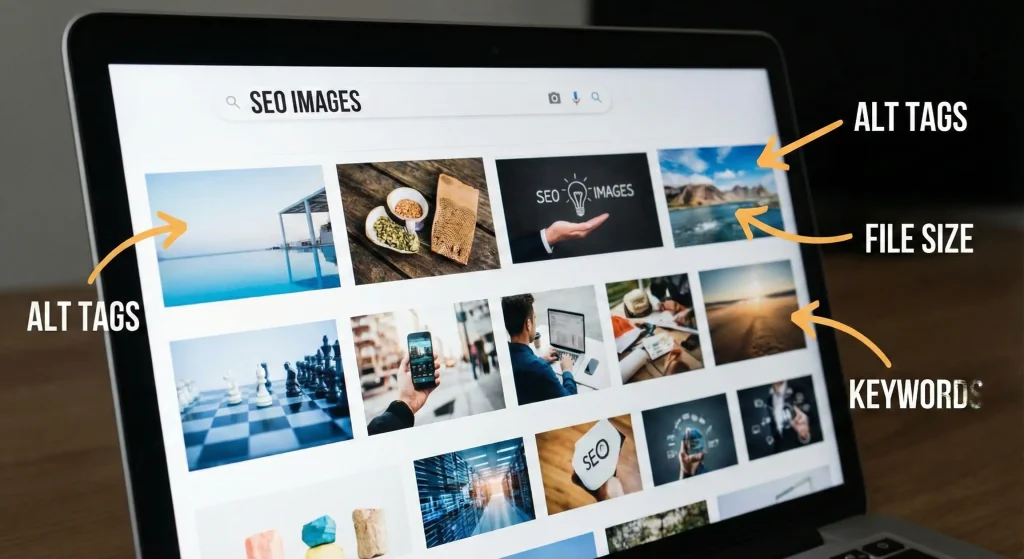
Key SEO Elements
On-Page SEO
Optimizing title tags, meta descriptions, headings, keywords and internal linking.
Off-Page SEO
Building backlinks, guest posts and brand mentions across the web.
Technical SEO
Improving site speed, security (HTTPS), mobile responsiveness and crawlability.
Content Quality
Creating helpful, up-to-date and authoritative content.
SEO Best Practices for 2025
Focus on Experience
Google now prioritizes user experience. Websites that load fast and offer intuitive navigation perform better.
Use Structured Data
Schema markup helps search engines understand your content, increasing chances of rich snippets.
Optimize for Voice Search
Short, conversational keywords perform better for voice queries.
Create Long-Form Content
Comprehensive articles tend to rank higher and attract more backlinks.
Content Marketing
Content marketing involves creating valuable content that attracts, informs and engages your audience. It can include articles, videos, podcasts, infographics and more.

Why Content Matters
Content builds trust, improves SEO and guides the customer from awareness to purchase. Brands that publish consistent high-quality content see significantly higher conversion rates.
Types of Content That Work
Blog Posts
Ideal for SEO and educating your audience.
Videos
Great for engagement and storytelling; highly consumed across social media.
Infographics
Visual summaries of information, often shared across platforms.
E books and Guides
Useful for generating leads through downloads.
Case Studies
Show real examples of your products or services delivering results.
Social Media Marketing
Social platforms such as Instagram, LinkedIn, Facebook, TikTok and X (formerly Twitter) are vital for connecting with customers and building community.
Choosing the Right Platforms
Not all platforms serve the same purpose.
Better for broad audiences and ad campaigns.
Strong for visuals, influencers and brand culture.
Tik Tok
Great for short-form video and reaching younger audiences.
Best for B2B networking and thought leadership.
Useful for lifestyle, fashion, food, design and DIY niches.
Social Media Strategies That Work
Post Consistently
Maintain a regular posting schedule to stay relevant.
Engage With Your Audience
Reply to comments, host Q&As and run polls.
Collaborate With Influencers
Partnering with creators increases brand visibility.
Use Short-Form Video
This format gets the highest engagement across platforms.
Use Data Insights
Track performance and adjust content based on analytics.
Email Marketing
Email marketing remains one of the highest-ROI online marketing channels. It is cost-effective and allows you to communicate directly with your audience.
Types of Email Campaigns
Welcome Series
Introduces new subscribers to your brand.
Product Promotions
Used for launches, discounts and special offers.
Newsletters
Keeps your audience informed with updates.
Cart Abandonment
Encourages customers to complete purchases.
Re-engagement Emails
Brings back inactive subscribers.
Email Marketing Best Practices
Clean Your List Regularly
Remove inactive subscribers to improve deliverability.
Personalize Messages
Use names and dynamic elements.
A/B Test
Experiment with subject lines, layouts and CTAs.
Use Clear CTAs
Tell the reader exactly what to do next.
Pay-Per-Click Advertising (PPC)
PPC advertising helps businesses reach customers quickly. You pay only when users click on your ad.
Most Popular PPC Platforms
Google Ads
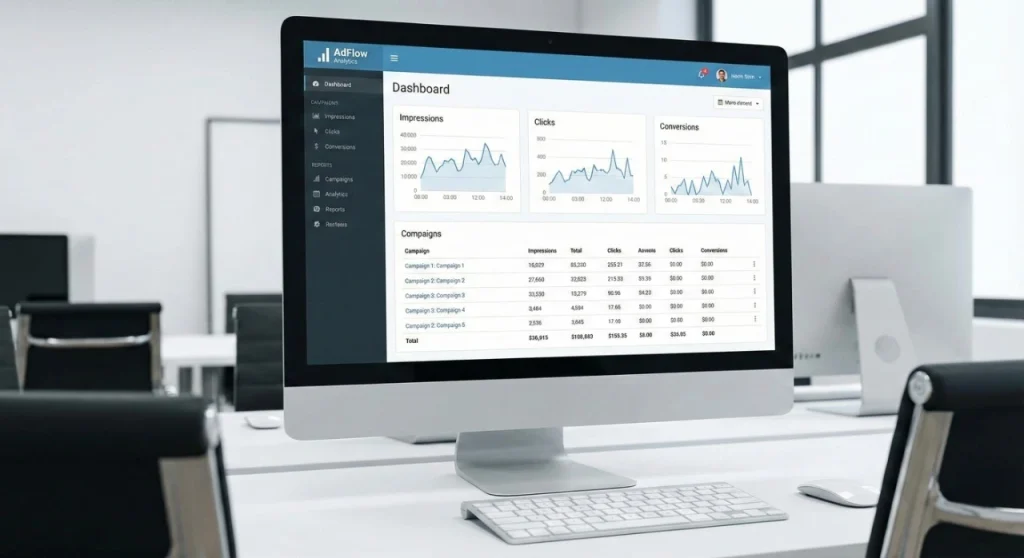
Search ads, display ads and YouTube ads.
Meta Ads
Facebook and Instagram advertising.
LinkedIn Ads
Useful for B2B campaigns.
TikTok Ads
Short-form video ads for mobile users.
Advantages of PPC
- Quick visibility
- Laser-focused targeting
- Fully measurable
- Budget control
- Scalable
Effective PPC Strategies
Target Buyer Intent Keywords
Focus on users ready to take action.
Use Remarketing
Show ads to people who visited your site before.
Optimize Landing Pages
Better landing pages lead to higher conversions.
Monitor and Adjust
Track performance daily and optimize based on results.
Influencer Marketing
Influencer marketing has grown from a trend to a full-scale industry. Working with influencers helps brands build trust quickly.

Types of Influencers
Mega Influencers
Millions of followers; best for brand visibility.
Macro Influencers
100k–1M followers; strong for targeted audiences.
Micro Influencers
10k–100k followers; often see higher engagement rates.
Nano Influencers
1k–10k followers; ideal for hyper-local or niche communities.
How to Choose Influencers
Look for:
- Audience relevance
- Authentic engagement
- Content quality
- Brand alignment
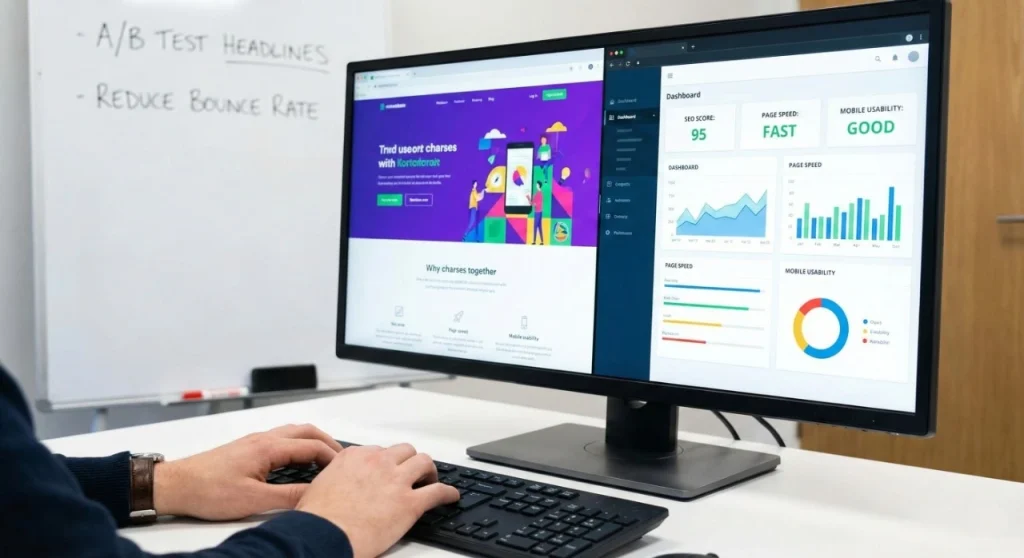
Website Optimization and User Experience
Your website is your digital storefront. Even the best marketing cannot compensate for a slow or poorly designed site.
Key Areas to Improve
Speed
Fast-loading pages improve user satisfaction and SEO.
Mobile Design
More than half of traffic comes from mobile devices.
Navigation
Clear menus and layouts help users find information quickly.
Accessibility
Ensure your content is accessible to everyone.
Security
Use HTTPS and maintain regular updates.
Analytics and Data Tracking
Data is essential to measure what works and what doesn’t.
Tools You Should Use
Google Analytics
Tracks traffic, behavior and conversions.
Google Search Console
Monitors search visibility and performance.
Heatmap Tools
Shows where users click or drop off.
CRM Platforms
Track leads, sales and customer interactions.
What You Should Measure
- Website traffic
- Engagement metrics
- Conversion rates
- Cost per acquisition
- Customer lifetime value
- Email open and click rates
online Marketing Trends for 2025
The digital landscape changes fast. Staying ahead means understanding the latest trends.
AI-Driven Marketing
AI tools assist with content creation, personalization and predictive analytics.
Video Dominance
Short videos continue to outperform other formats.
Voice Search Growth
More users rely on voice assistants for queries.
Privacy-Focused Marketing
Due to policies and regulations, first-party data has become more valuable.
Community-Driven Brands
Consumers prefer brands with active, authentic communities.
Building a online Marketing Strategy
To succeed, you need a clear plan. Here’s a step-by-step approach.
Step 1: Define Your Goals
Choose specific outcomes such as leads, sales or brand awareness.
Step 2: Identify Your Audience
Research demographics, behaviors and preferences.
Step 3: Analyze Your Competitors
Study what they do well and where the gaps are.
Step 4: Choose Your Channels
Select platforms based on where your audience spends time.
Step 5: Create High-Quality Content
Publish consistent and helpful content across channels.
Step 6: Track and Optimize
Use analytics to improve your campaigns.
Tools That Make online Marketing Easier
SEO Tools
- Ahrefs
- SEMrush
- Moz
Content Tools
- Grammarly
- Notion
- Canva
Social Tools
- Buffer
- Hootsuite
- Later
Email Tools
- Mailchimp
- HubSpot
- ConvertKit
Analytics Tools
- Google Analytics
- Hotjar
- Looker Studio
Common online Marketing Mistakes to Avoid
Not Having a Clear Strategy
Random posts or ads rarely work.
Ignoring Mobile Users
A bad mobile experience can lose customers fast.
Focusing Only on Sales
Provide value first to build trust.
Not Tracking Data
If you don’t measure, you can’t improve.
Using Outdated Methods
online marketing evolves quickly.
Conclusion: The Future of online Marketing
online marketing is more important than ever. With the right mix of SEO, content creation, social media, email and analytics, any business can build a strong online presence. Whether you’re just starting out or refining your strategy, staying adaptable is the key. The more you understand your audience and keep up with the changing landscape, the more successful your marketing efforts will be.
If you treat online marketing as an ongoing process rather than a single project, you’ll be able to reach more people, increase conversions and grow your brand steadily in the years ahead.
Let me know if you want this converted into a downloadable PDF, turned into a shorter article or expanded into a series.
for online marketing more information visit now.