
Introduction
Marketing’s changing fast. Manual work? That’s old school. Automation is now the name of the game.
If you’ve ever felt buried under endless emails, campaigns, and reports — this guide is for you.
Let’s make your digital marketing easier and smarter.
Table of Contents
What is Marketing Automation?
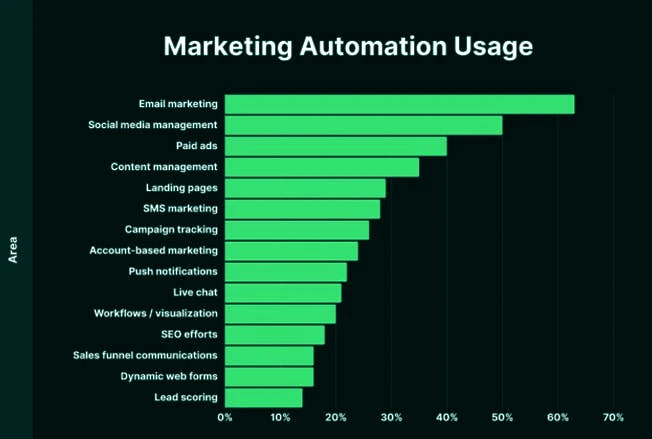
Marketing automation is using software to handle repetitive marketing tasks. Think sending emails, scoring leads, posting on social media all done automatically.
But it’s not just about robots doing work. It’s about giving you time to focus on strategy — the stuff that actually grows your business.
Why Marketing Automation Matters Today
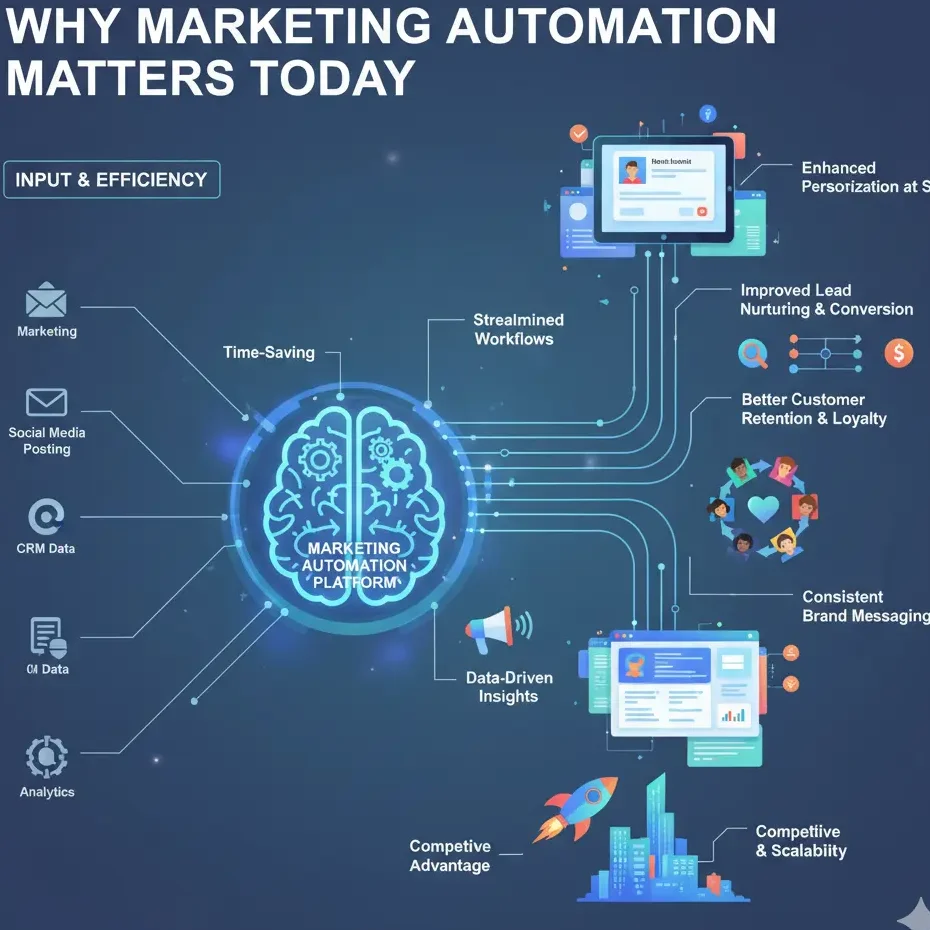
The digital world moves at lightning speed. Customers expect instant replies, personalized messages, and smooth experiences.
Without automation, it’s nearly impossible to keep up.
It helps you talk to the right people at the right time without losing your mind.
How Marketing Automation Works
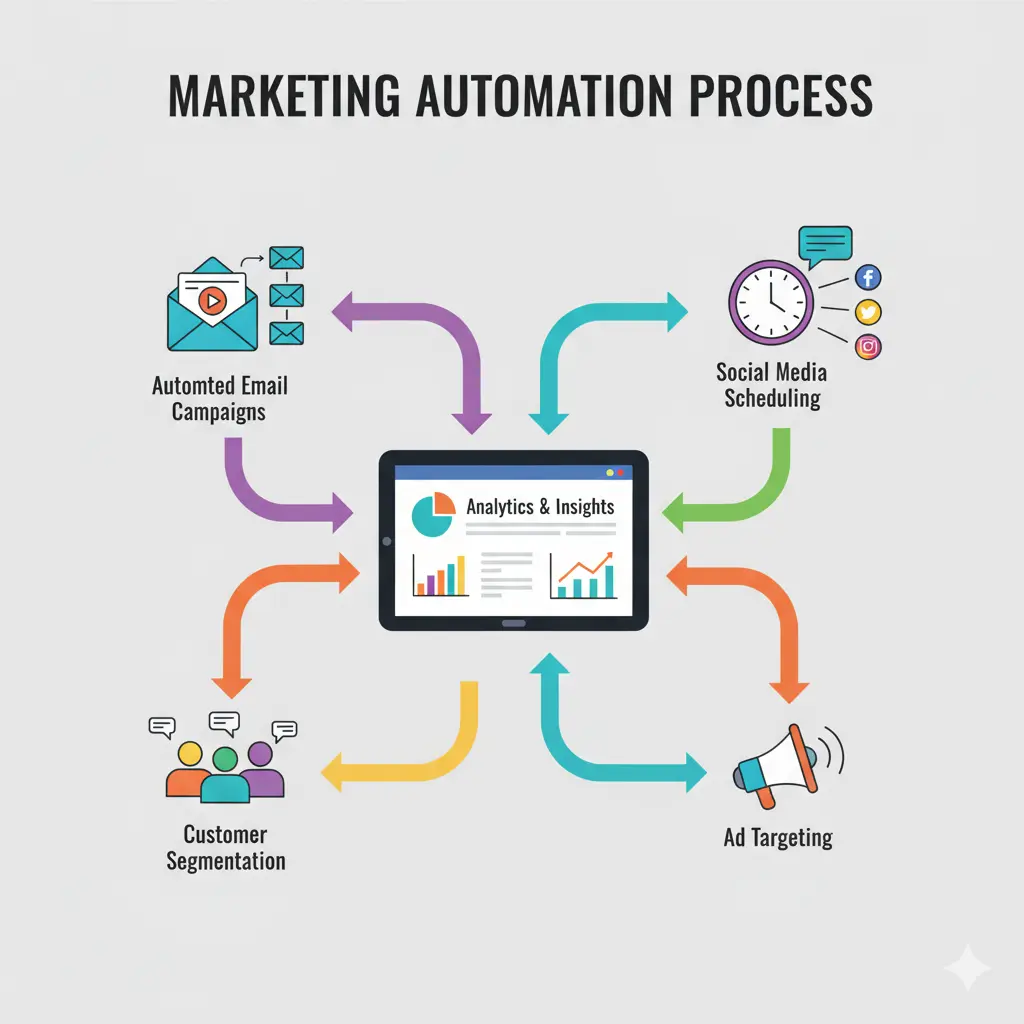
The Technology Behind It
It’s powered by algorithms and rules. You set conditions — “if user clicks this, send that.”
Pretty neat, right?
The Human Touch Still Needed
But hey, don’t go thinking automation means “set and forget.” You still need creativity, storytelling, empathy. Machines can send, but you connect.
Benefits of Marketing Automation
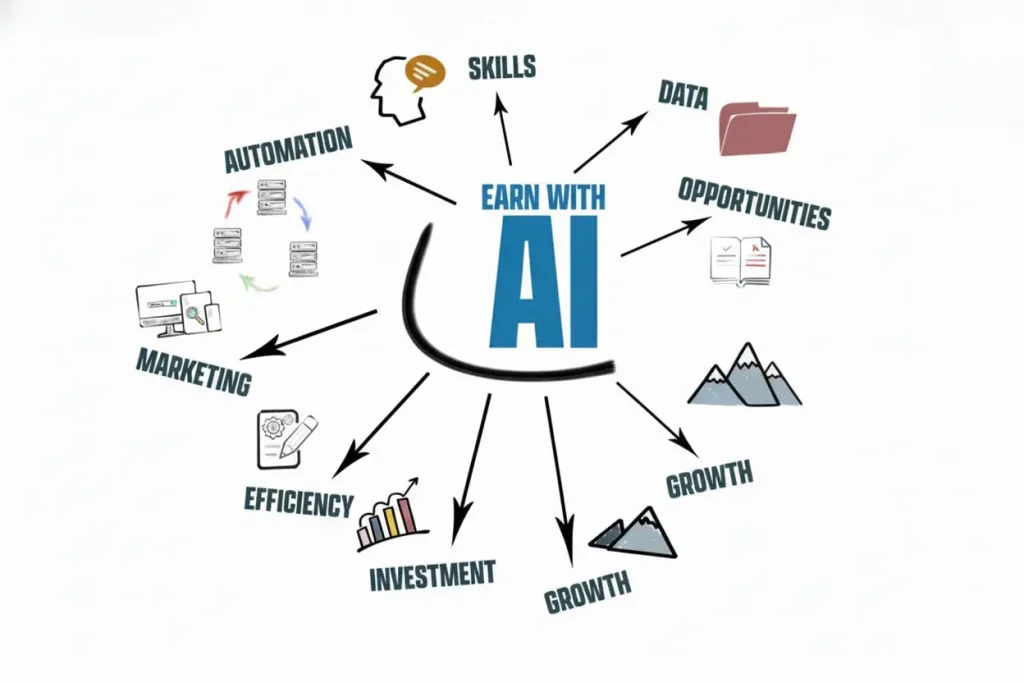
Save Time and Boost Efficiency
No more late nights sending 500 emails manually. Automation does it in minutes.
That’s time back for strategy or maybe even a coffee break.
Improve Customer Engagement
Every message feels personal. Every offer, relevant. That’s what keeps people interested.
Increase ROI
Automated systems track everything. What works, what doesn’t. Data drives better decisions. And better results.
Key Features of Marketing Automation Tools
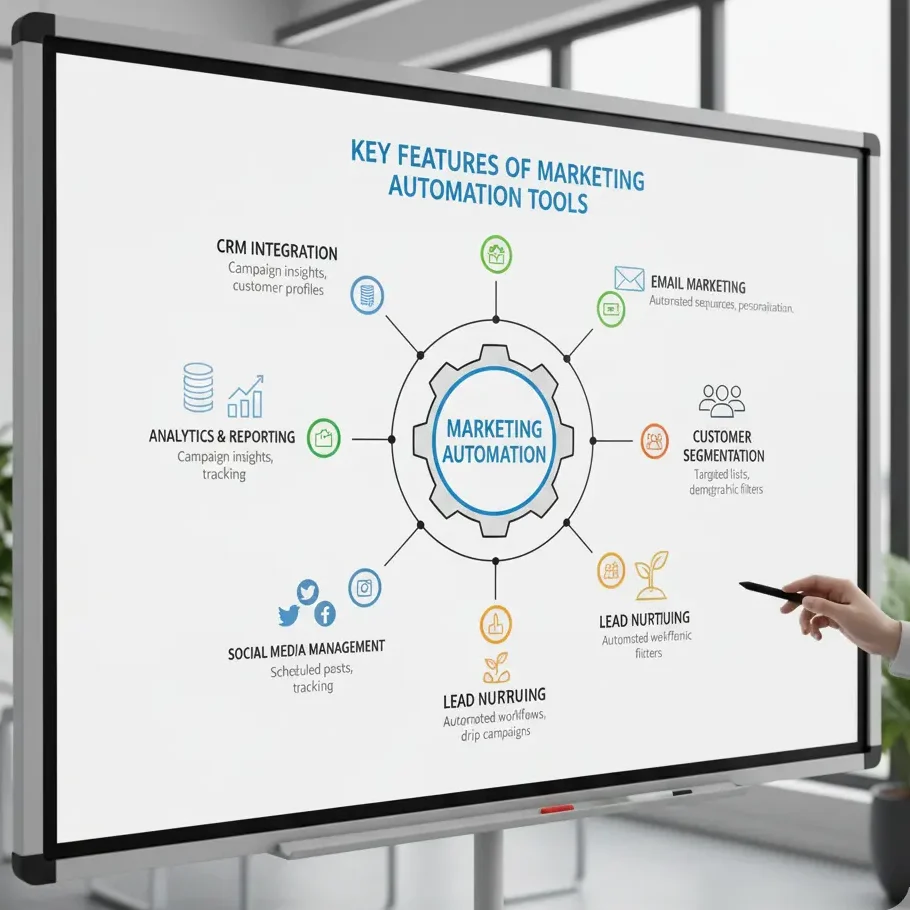
Email Marketing
Still the king of communication. Automation lets you nurture leads through pre-set email journeys.
Lead Scoring
It ranks your leads based on behavior — who’s hot, who’s not.
You’ll know exactly who deserves a follow-up.
CRM Integration
When your marketing tool connects to your CRM, magic happens.
You see the full customer picture in one place.
Analytics and Reporting
Data, graphs, insights. All in one dashboard. So you can tweak campaigns without guessing.
Top Marketing Automation Platforms in 2025
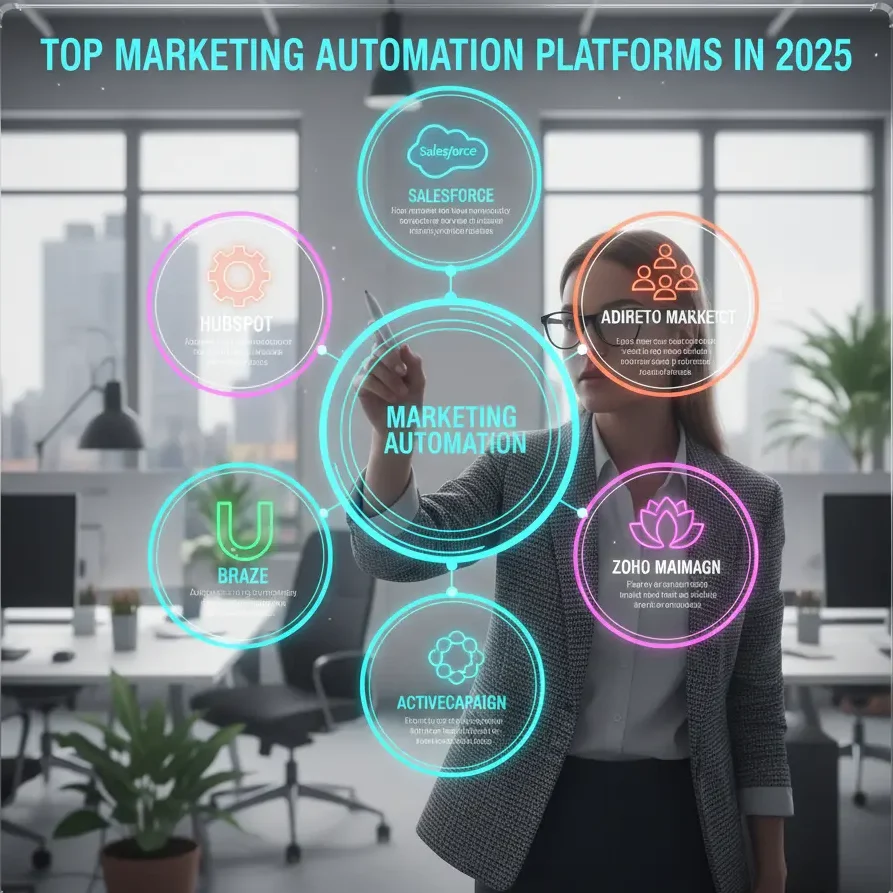
HubSpot
A favorite for startups and big brands alike. Easy to use, loaded with features, and great support.
Active Campaign
Affordable yet powerful. Perfect for small to mid-sized businesses that need automation and CRM in one.
Mailchimp
Simple, visual, and beginner-friendly. Ideal for email-focused campaigns.
Marketo
Built for enterprise-level marketing. Advanced analytics, deep integrations — the works.
How to Choose the Right Automation Tool

Know Your Business Goals
Start there. Are you looking to nurture leads or improve retention?
Different tools do different things best.
Check Scalability
You’ll grow. Your software should too. Avoid tools that cap your contact limits too soon.
Look for Ease of Use
If your team can’t use it easily, it’s useless. A clean interface beats a feature-packed mess.
How to Set Up Marketing Automation Step by Step

Define Your Buyer Personas
Who are you selling to? Understand their needs, pain points, and habits first.
Map the Customer Journey
From awareness to purchase, know every step. Automation fits best when you know where it belongs.
Create Automated Workflows
Drip emails. Follow-ups. Re-engagement campaigns.
Set triggers, define actions, and let the system work its magic.
Common Mistakes to Avoid
Over-Automating Everything
If every message feels robotic, you lose trust. Keep some human touch.
Ignoring Data
Data’s your best friend. Without it, automation becomes guesswork.
Forgetting Personalization
It’s not just a name tag. Personalization means speaking to real needs, not sending mass emails with “Hi John.”
The Role of AI in Marketing Automation
AI takes things further. It predicts behavior, improves targeting, even writes content suggestions.
But it’s still a tool. You control the story.
B2B vs. B2C Marketing Automation
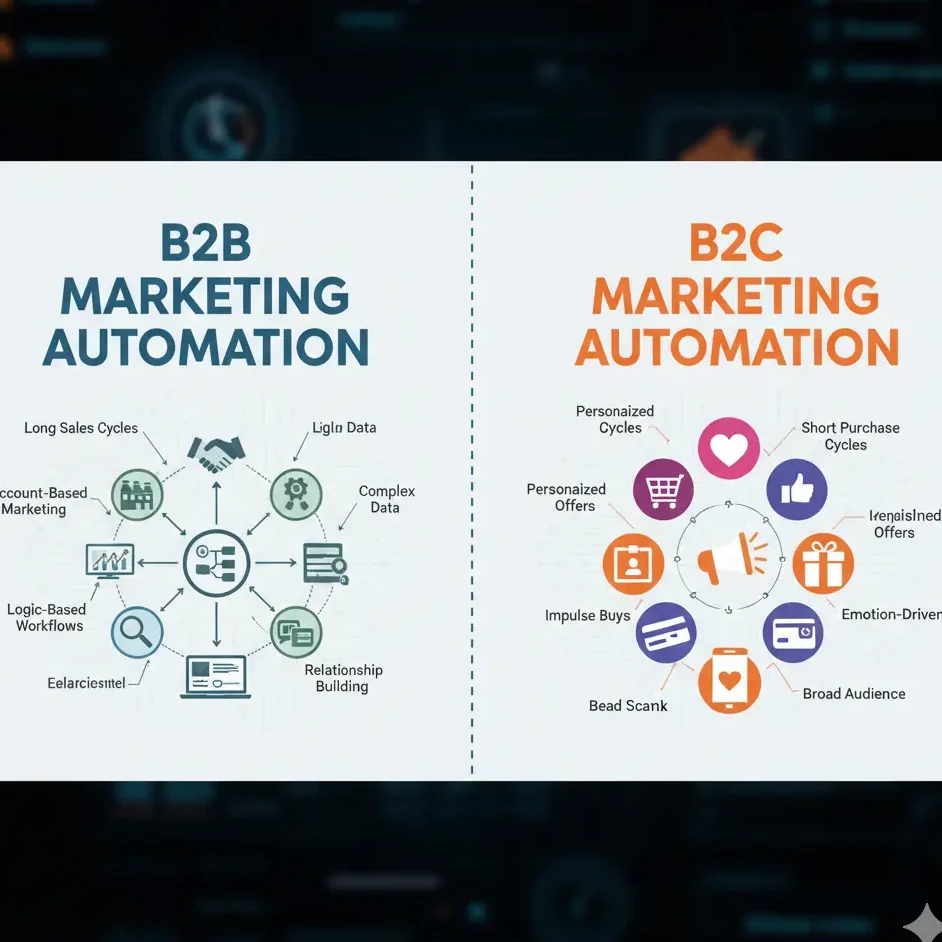
In B2B, it’s all about nurturing long-term relationships.
In B2C, it’s quick actions and emotional appeal. Automation flexes to both worlds beautifully.
How to Measure Success
Look beyond clicks.
Track engagement, conversion rates, and retention. If your audience stays longer, you’re doing it right.
Future Trends in Marketing Automation
Voice assistants, predictive analytics, hyper-personalization — it’s all coming.
Automation will feel less like a machine. More like a smart assistant who gets you.
Conclusion
Marketing automation isn’t just a fancy buzzword. It’s the bridge between chaos and clarity.
When done right, it saves time, builds relationships, and grows your business faster than ever.
Start small. Automate one process. Then another.
Soon, you’ll wonder how you ever worked without it.
FAQs
1. What is the main purpose of marketing automation?
To save time and improve efficiency by automating repetitive marketing tasks.
2. Can small businesses afford marketing automation?
Yes, many tools like Mailchimp and ActiveCampaign offer affordable plans.
3. Does automation replace human marketers?
Not at all. It supports them by handling the repetitive stuff.
4. How can I measure my automation success?
Track conversions, engagement, and overall campaign performance.
5. What’s the best tool for beginners?
HubSpot and Mailchimp are great places to start for beginners.